Mechanical Components

Heavy-Duty Mechanical Spares, Overhaul Kits, and Ancillary Componentry for Sub-Saharan Industrial Powertrains.

OEM Generator Mechanical Parts & Engine Componentry

At LiFeTIDE, we have significantly expanded our professional power infrastructure ecosystem to deliver a comprehensive selection of premium generator mechanical parts and original equipment manufacturer (OEM) spares. Backed by years of technical distribution expertise across sub-Saharan Africa, we have established ourselves as a market-leading destination for high-reliability internal combustion engine components.

We pride ourselves on the exceptional build quality, thermal resilience, and structural longevity of the mechanical assemblies we supply. Engineered to integrate flawlessly with all major international generator and industrial engine brands, our catalog serves as a definitive, one-stop procurement hub for mechanical contractors, repair shops, and field service technicians who demand absolute grid-independent continuity.


GET PARTS ON WHATSAPP

Need a fast, competitive quote for generator mechanical parts?

Avoid field downtime with rapid component matching. Click below to message our technical team on WhatsApp, simply send us a photo, engine model code, or specification plate of the starter motor, injector, pump, or radiator you need, and we will cross-reference it instantly for a competitive quote.

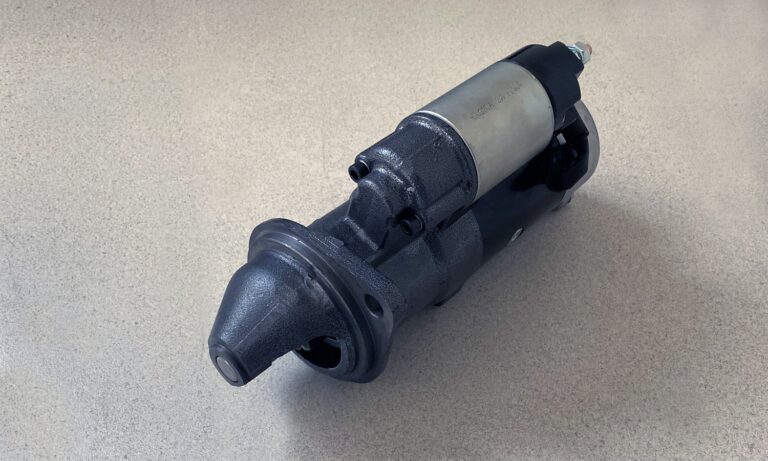
Starter Motors

Heavy-duty DC electric motors engineered to deliver maximum initial cranking torque to the flywheel for rapid compression ignition.

DC Alternators

Engine-driven battery charging alternators built to replenish starter batteries and power auxiliary control circuits while running.

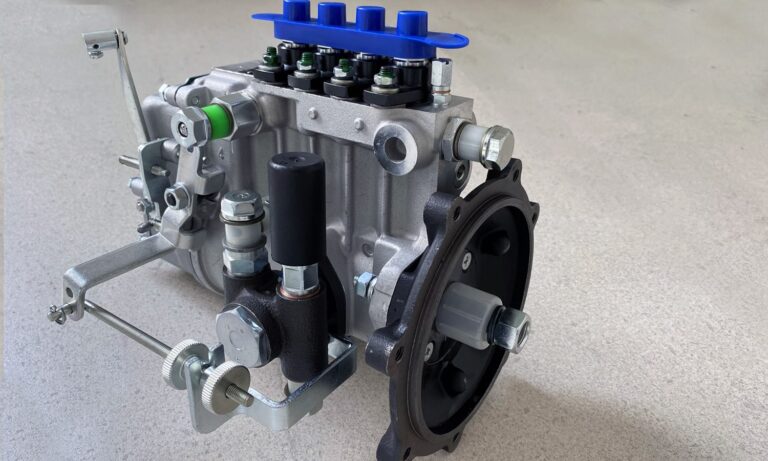
Fuel Injection Pumps

High-pressure mechanical multi-plunger pumps developed to meter and deliver pressurised diesel directly to the injection rail.

Injectors

Micro-machined high-pressure fuel injectors designed to achieve optimal fuel-air atomisation inside the combustion chamber bowls.

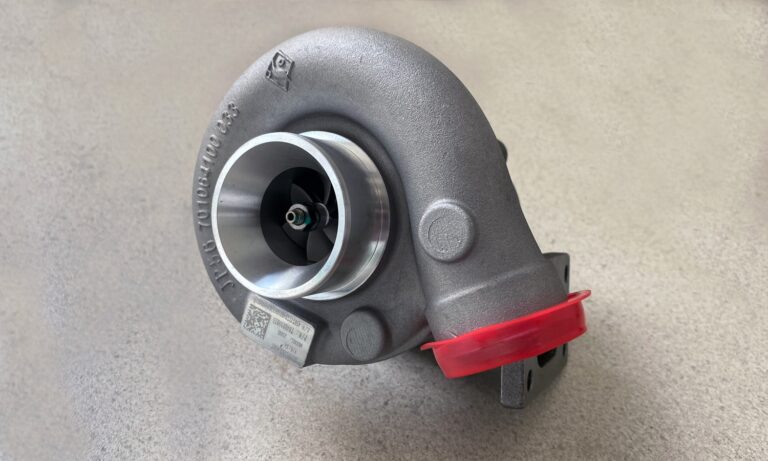
Turbochargers

Forced-induction turbine assemblies engineered to maximise mass airflow and boost power density across variable load curves.

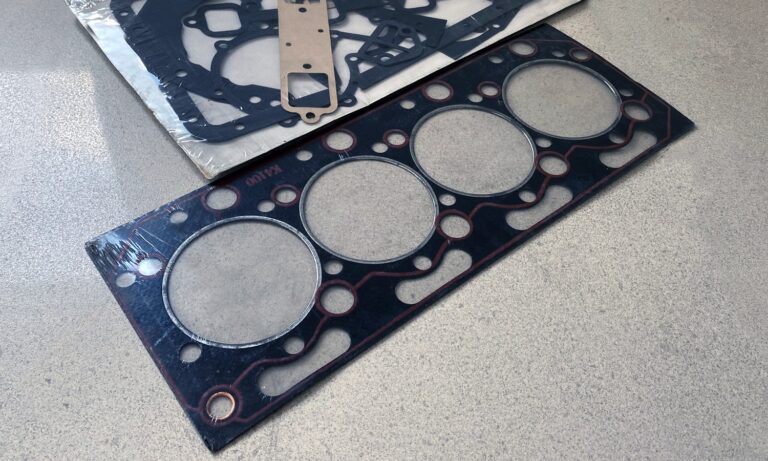
Gasket Kits

Complete top and bottom-end overhaul sets engineered to seal intense firing pressures and prevent fluid containment breaches.

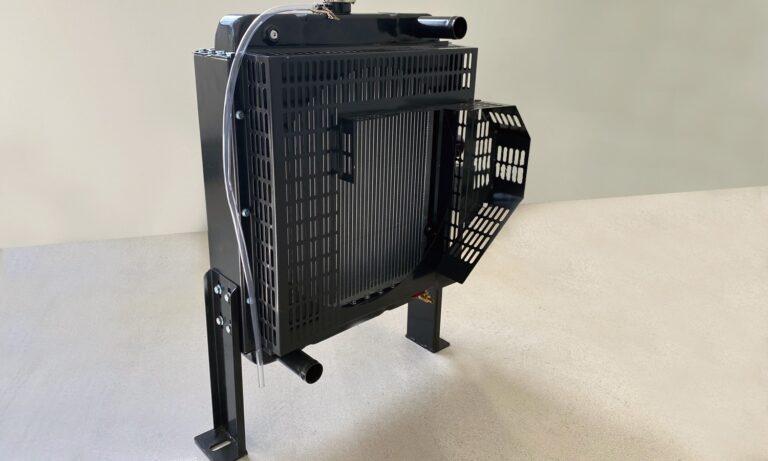
Radiators

Industrial core heat exchangers engineered to optimise cooling air-induction and dissipate thermal waste from the coolant fluid.

Water Pumps

 High-capacity centrifugal cooling pumps developed to drive rapid coolant circulation through the engine block water jackets.

Thermostats

Wax-pellet thermal control valves engineered to regulate engine operating temperatures by routing fluid between the bypass and radiator.

Fan Belts

High-tensile, heat-resistant V-belts or serpentine belts built to drive auxiliary components like water pumps and charging alternators.

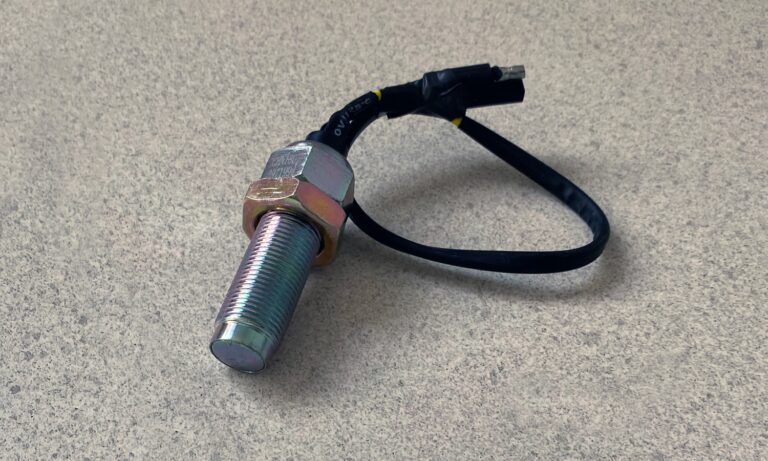
Speed Sensors

Magnetic pickup sensors designed to monitor flywheel tooth frequency and feed real-time RPM data to the electronic governor.

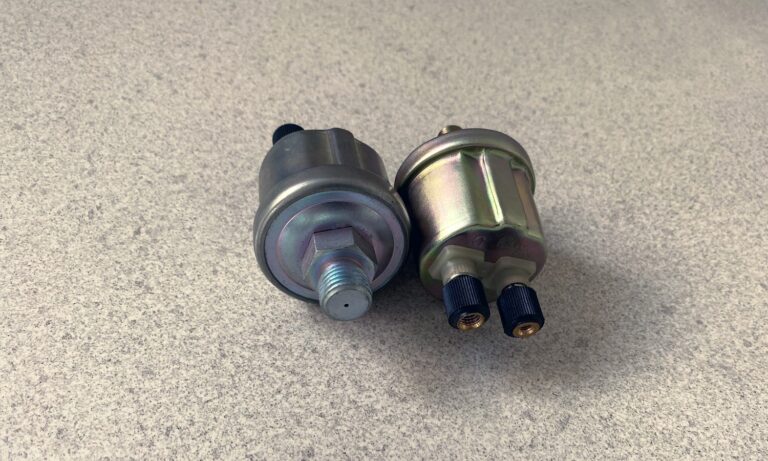
Oil Pressure Sensors

Transducers built to continuously check engine oil gallery pressure metrics and safeguard against low-lubrication friction failure.

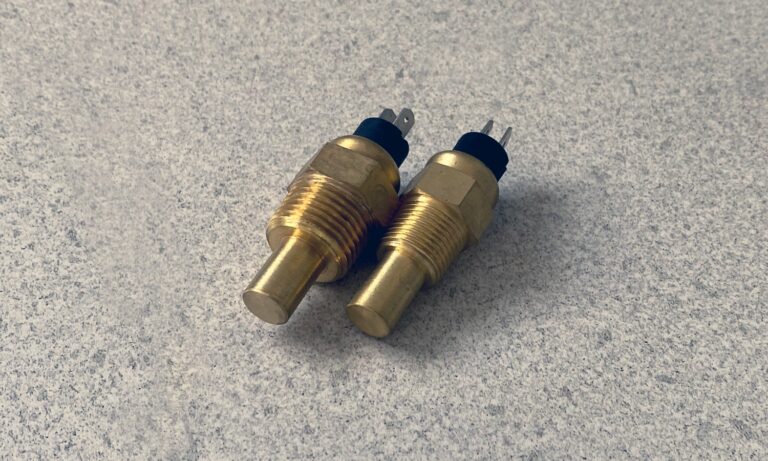
Temperature Sensors

High-sensitivity thermistors designed to monitor engine jacket fluid temperatures to protect the block from catastrophic overheating.

Industrial Powertrain Integrity & Thermal Balance

Heavy-duty industrial engines depend entirely on the mechanical precision of their internal and ancillary components to survive relentless operational load schedules. Our professional-grade generator mechanical parts framework brings together world-class original equipment manufacturer (OEM) solutions engineered to maintain absolute structural integrity under severe duty cycles. By securing correct fuel atomisation pressures, precise thermal regulation, and reliable high-torque starter cranking, these vital engine components effectively eliminate premature friction fatigue and prevent unexpected field failures during prolonged grid blackouts.

The LiFeTIDE Mechanical Spares Advantage

  • Fast Pan-African Delivery: Supported by deep regional warehouse stock configurations and prompt cross-border freight routes to lower long-term operational overhead and secure swift on-site project continuity.

  • Premium Quality, Better Prices: We balance absolute mechanical accuracy and tier-one material specifications with an aggressive pricing model, making heavy engine overhaul projects commercially viable.

  • Elite 24/7 Technical Support: Backed by over 15 years of technical field distribution expertise, our specialist engineering team stands ready to cross-reference casting numbers and build codes to secure a flawless replacement match.

  • Trusted OEM Product Range: We stock an extensive variety of original equipment mechanical parts, functioning as a true one-stop destination for service technicians handling precision maintenance on global engine brands.

FREQUENTLY ASKED QUESTIONS

What are the warning signs that a generator's mechanical starter motor or drive gear is failing?

Mechanical starter motor failure usually presents as distinct acoustic or physical symptoms during the initial crank sequence. If you hear a loud, sharp metallic clicking sound when the grid drops but the engine fails to turn over, the starter solenoid is likely engaging while the internal motor windings are failing to draw current. A harsh grinding sound indicates that the starter's bendix drive gear teeth are worn out or misaligned, failing to mesh safely with the engine flywheel ring gear. If the starter spins rapidly with a high-pitched whine but the engine doesn’t turn over at all, the starter clutch has slipped or sheared internally.

What causes an engine water jacket heater to fail, and why is it necessary in warm climates?

Water jacket heaters (or engine block heaters) maintain a constant optimal thermal equilibrium inside the engine block cylinder layout, usually around 40°C to 50°C. Even in hot sub-Saharan climates, ambient nights drop significantly, and a cold diesel engine cannot combust fuel cleanly during an instantaneous emergency start. Without a jacket heater, a standby generator taking an immediate 100% block load will experience severe thermal shock, high cylinder wall friction, and raw exhaust smoking. These heaters typically fail due to internal element burnout caused by air pockets trapped in the cooling circuit, or a blocked thermostat that cuts off the convective flow of coolant.

How can I tell if my generator's water pump or mechanical thermostat needs replacement?

A failing mechanical water pump will often show cooling fluid weeping from the pump's atmospheric weep hole, which indicates that the internal mechanical shaft seal has degraded. If the internal impeller blades suffer from cavitation or corrosion, the pump will fail to circulate coolant efficiently, causing rapid overheating within minutes of loading the generator. Alternatively, if your control dashboard registers an immediate over-temperature shutdown but the lower radiator hose remains completely cold while the top engine block is boiling, your mechanical thermostat is jammed closed and must be replaced immediately.

Why is it critical to inspect and replace worn mechanical fan belts promptly?

The mechanical fan belt transmits direct crankshaft torque to drive the radiator cooling fan and the charging alternator. Because generator enclosures experience intense, stagnant heat soak cycles after shutting down, standard rubber belts dry out, crack, and stretch over time. If a belt snaps while the unit is under load, the engine loses all active airflow and cooling circulation instantly, leading to an catastrophic over-temperature event or warped cylinder heads within seconds. Belts should be checked during every routine service check for tension slack and micro-fissures.

What is a turbocharger oil seal leak, and how does it affect engine safety?

The turbocharger relies on high-pressure engine oil to lubricate its internal shaft, which spins at speeds exceeding 100,000 RPM. If the internal mechanical oil seals degrade, pressurized engine oil will leak directly into either the exhaust housing or the intake compressor housing. If oil leaks into the exhaust, you will notice thick, continuous blue-grey smoke billowing from the silencer stack. If it leaks into the air intake, it poses a severe mechanical hazard: the diesel engine can pull that atomized engine oil into the combustion chambers as an unregulated fuel source, potentially causing a dangerous engine runaway condition where the unit revs uncontrollably until it suffers terminal structural failure.


Shopping cart
Start typing to see products you are looking for.